
Tooth pain can strike at any moment. Sometimes it fades on its own. Other times, it signals something that needs immediate care. Knowing the difference could save your tooth — and your health. This quick triage guide for Campbell patients helps you answer the question: Is your tooth pain actually a dental emergency? Dr. Sami Khayat and the team at Wisdom Oral Surgery & Dental Implants want you to feel confident making that call.
What Counts as a True Dental Emergency in Campbell?
Not every toothache needs a same-day visit. However, some situations are genuinely urgent. A dental emergency is any condition that causes severe pain, uncontrolled bleeding, or risks permanent damage to your teeth or jaw.
Here are signs you should seek care right away:
- Severe, throbbing tooth pain that does not ease up
- Visible swelling in your face, jaw, or gums
- Bleeding that won’t stop after applying pressure
- A knocked-out or severely loosened tooth
- Signs of infection like fever, pus, or bad taste
These symptoms demand prompt attention. Waiting even a few hours can make treatment harder and outcomes worse. When in doubt, call your dental provider and describe your symptoms clearly.
Triage Guide: How to Read Your Tooth Pain in Campbell
Different types of pain give different clues. Sharp pain when biting may point to a cracked tooth. A dull, constant ache often suggests nerve involvement. Sensitivity to hot or cold that lingers could mean the pulp is inflamed.
Use this simple self-assessment:
- Rate your pain: Is it a 7 or higher out of 10? Call now.
- Check for swelling: Any facial or gum swelling? Seek care today.
- Look for trauma: Did you chip, break, or knock out a tooth? Act fast.
- Spot bleeding: Is bleeding from the gums not stopping? Don’t wait.
- Feel for fever: A fever with tooth pain may signal a spreading infection.
If you answered yes to any of these, treat it as urgent. If your discomfort is mild and comes and goes, schedule an appointment within a day or two. Still, never ignore persistent pain — early treatment always leads to better outcomes.
Swelling, Bleeding, and Loose Teeth: When Each Becomes Urgent
Swelling in the face or jaw is one of the most serious warning signs. It can indicate an abscess, which is a bacterial infection that can spread quickly. Left untreated, a dental abscess can reach the neck, throat, or even the brain.
Bleeding gums after brushing may just be early gum disease. However, bleeding that won’t stop after an extraction or injury is an emergency. Apply gentle pressure with gauze and head to your provider immediately.
A loose tooth in an adult is never normal. A tooth loosened by trauma or advanced gum disease needs evaluation the same day. Quick action gives the best chance of saving it. If a tooth has been knocked out completely, place it in milk or between your cheek and gum — and get to a dentist within the hour.
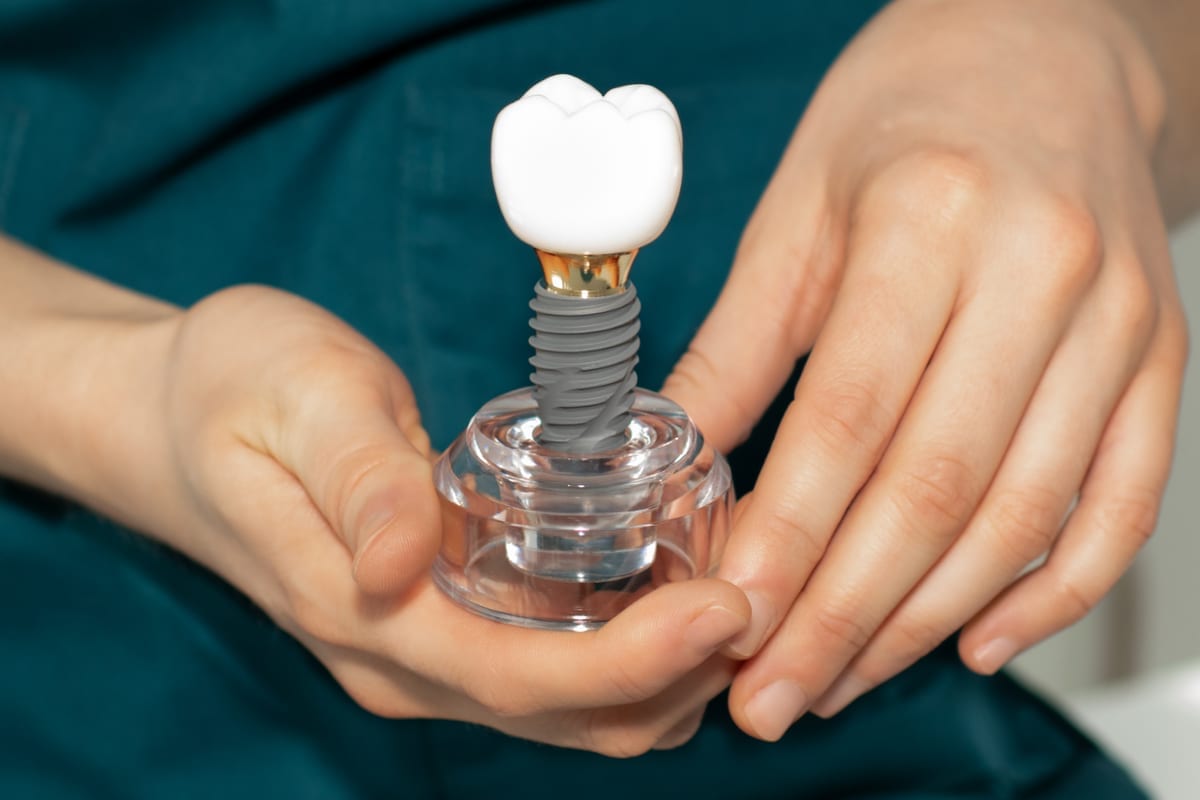
Patients who have lost teeth and are exploring long-term solutions often ask about Dental Implants Campbell as a permanent replacement option. It’s worth discussing after the emergency is resolved.
What Can Wait — and What Cannot
Understanding urgency levels helps you stay calm and make smart decisions. Some dental issues feel alarming but are not emergencies. Others look minor but need fast care.
Can usually wait 1–3 days:
- Mild toothache without swelling or fever
- A lost filling or crown with no pain
- Minor chip or crack with no sharp edges or pain
- Slight sensitivity to cold that fades quickly
Needs same-day or emergency care:
- Abscess or signs of infection
- Severe, unrelenting pain
- Facial swelling or difficulty swallowing
- Uncontrolled bleeding
- Knocked-out or severely loosened tooth
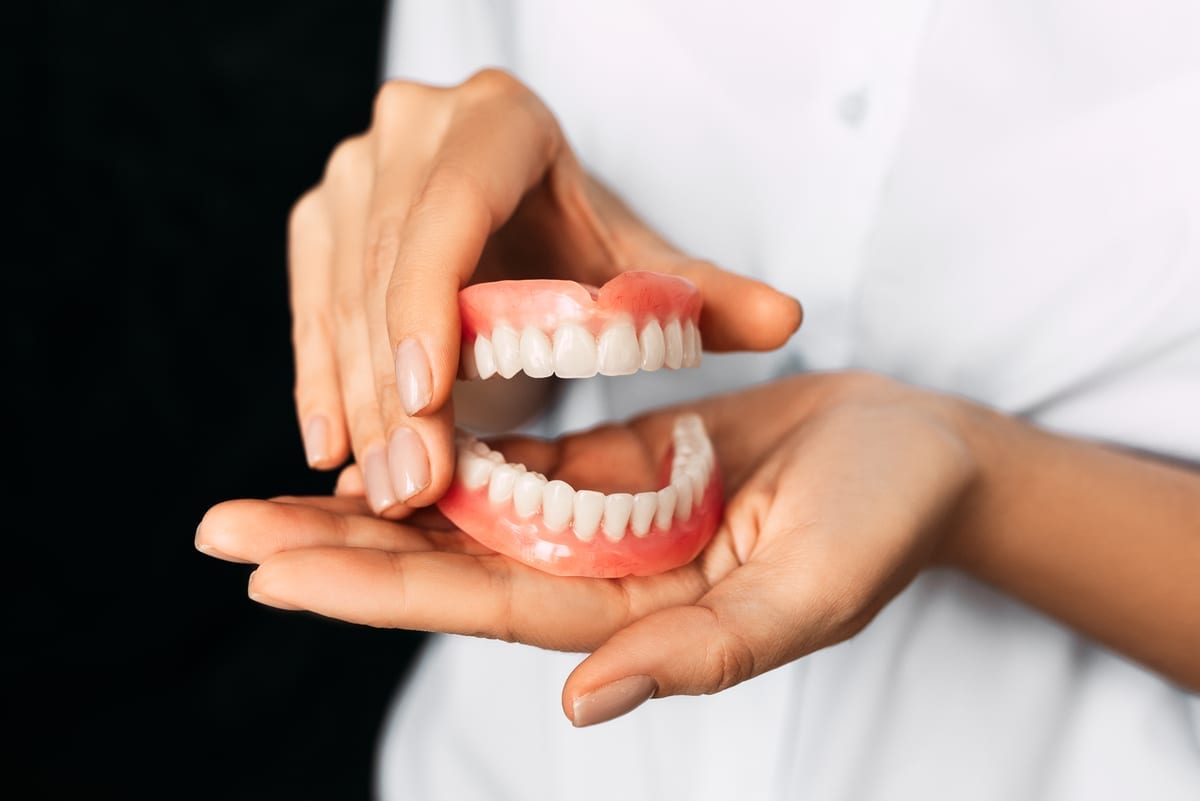
When a tooth cannot be saved, extraction may be the safest option. Dr. Khayat performs gentle tooth extractions and can walk you through next steps. Patients who need to replace multiple teeth may benefit from Dental Implant Dentures Campbell as a stable, natural-looking solution.
How to Manage Pain Before You Reach the Office
While you arrange care, there are safe steps to ease discomfort. Over-the-counter pain relievers like ibuprofen can reduce swelling and dull pain temporarily. Avoid aspirin directly on the gum — it can burn tissue.
Rinse gently with warm salt water to reduce bacteria and soothe irritation. Apply a cold pack to the outside of your face in 10-minute intervals. Avoid hot foods, hard foods, or anything that makes the pain worse.
Do not put off calling your dentist while managing symptoms at home. Home remedies are a bridge — not a solution. The sooner you get a professional evaluation, the sooner you’ll get real relief.
Conclusion: Don’t Guess — Get Answers Quickly
Tooth pain doesn’t always announce itself as an emergency. But some situations truly cannot wait. Use this triage guide to check your symptoms and act accordingly. Whether you have swelling, bleeding, a loose tooth, or severe pain, trust your instincts and reach out quickly.
Dr. Sami Khayat and the team at Wisdom Oral Surgery & Dental Implants serve patients throughout the Campbell area with calm, expert care. We understand dental pain is stressful. Our goal is to give you clear answers and fast relief. Book Now to schedule your appointment with our team.
Frequently Asked Questions
How do I know if my toothache is a dental emergency?
If your pain is severe, constant, or accompanied by swelling, fever, or bleeding that won’t stop, treat it as an emergency. Mild, intermittent discomfort can usually wait a day or two, but you should still call your dentist to describe your symptoms and get guidance.
What should I do if my tooth gets knocked out?
Act immediately. Pick up the tooth by the crown — never touch the root. Rinse it gently with water, then place it in milk or hold it between your cheek and gum. Get to a dental office within one hour for the best chance of saving the tooth.
Is facial swelling always a dental emergency?
Yes, facial or jaw swelling related to a tooth should always be treated as urgent. It can indicate a spreading infection or abscess. These conditions can worsen quickly and may require antibiotics or drainage. Seek care the same day if swelling appears.
Can I wait until the next day if I have tooth pain at night?
It depends on your symptoms. If the pain is manageable and there is no swelling or bleeding, you may be able to wait until morning. However, if pain is severe or worsening, or if you have any signs of infection, call an emergency dental line right away.
What happens if I ignore a dental emergency?
Untreated dental emergencies can lead to serious complications. Infections can spread to the jaw, neck, or bloodstream. Damaged teeth may become unsavable. Early treatment almost always results in better outcomes, less discomfort, and simpler procedures overall.