

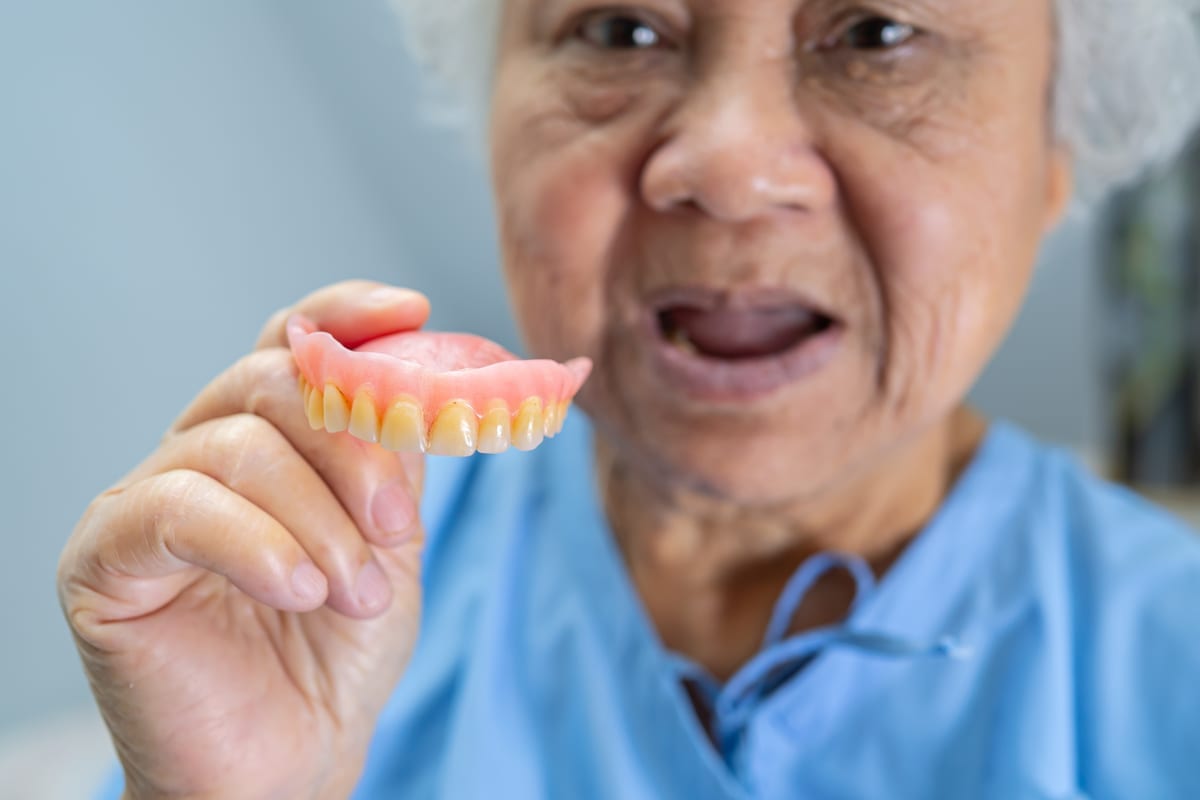
If your dentures felt perfect when you first got them, but now they slip, click, or cause sore spots, you are not alone. Many Cambrian Park patients wonder why dentures stop fitting and what to do next. The answer almost always comes down to one word: resorption. Your jawbone changes shape over time after tooth loss, and your dentures simply cannot keep up on their own. Understanding this process helps you take the right steps before the problem gets worse.
Why Your Dentures Stop Fitting Over Time in Cambrian Park
When a tooth is lost, the jawbone beneath it no longer receives stimulation from chewing. Without that daily pressure, the bone slowly shrinks. This process is called bone resorption, and it is completely natural. However, it changes the shape of your jaw in ways that make older dentures fit poorly.
Bone resorption happens gradually, so you may not notice it right away. Most patients begin to feel changes within one to three years of getting dentures. After five or more years, the fit difference can be quite dramatic. The dentures that once felt snug now feel loose, wobbly, or even painful.
Loose dentures create real problems beyond discomfort. They can cause sores, affect your speech, and make chewing difficult. Some patients even stop eating certain nutritious foods because chewing becomes too painful or embarrassing. Recognizing the early warning signs gives you options before things become serious.
Common signs that your dentures no longer fit properly include:
- Slipping or shifting when you talk or eat
- Clicking sounds during normal use
- Sore spots or irritated gum tissue
- Food getting trapped underneath the denture
- Difficulty chewing firm foods like vegetables or meat
- Your face looking sunken or older than before
What Are Your Options When Dentures No Longer Fit?
The good news is that there are several effective solutions. The right choice depends on how much your bone has changed and how old your dentures are. Dr. Sami Khayat at Wisdom Oral Surgery and Dental Implants evaluates each patient individually to recommend the best path forward.
Relining is often the first step for dentures that are still structurally sound. The process adds new material to the tissue side of the denture so it conforms more closely to your current jaw shape. A reline can often be completed in a single appointment and provides much better comfort quickly.
Rebasing goes a step further. It replaces the entire denture base while keeping your existing artificial teeth. This option works well when the teeth themselves are still in good condition but the base has worn out or warped. It gives you essentially a new foundation without rebuilding everything from scratch.
Full replacement becomes necessary when your dentures are too old or your jaw has changed too significantly for relining or rebasing to help. Most dentures have a lifespan of five to eight years. After that point, replacing them often makes more clinical and practical sense.
How Dental Implants Can Solve the Fit Problem Permanently
If you are tired of dealing with loose dentures, Dental Implants offer a long-term solution that traditional dentures simply cannot match. Implants are titanium posts placed directly into the jawbone. They act like artificial tooth roots, stimulating the bone and slowing down resorption significantly.
Implant-supported dentures snap or attach onto implants placed in the jaw. They do not shift or slip during meals or conversations. Many patients describe the difference as life-changing compared to conventional dentures.
Beyond stability, implants help preserve the bone that remains. Traditional dentures sit on top of the gum and actually accelerate bone loss over time. Implants counteract that process by keeping the bone actively engaged. This means your face shape is better preserved as well.
Dental Implant Surgery at Wisdom Oral Surgery and Dental Implants follows a carefully planned process. Dr. Khayat uses advanced imaging to assess your bone volume and determine exactly where implants should be placed. The goal is always the most comfortable outcome with the longest-lasting results.
Benefits of implant-supported dentures over traditional dentures include:
- No slipping or shifting during daily activities
- Preserved jawbone and facial structure over time
- Improved chewing efficiency and food choices
- Greater confidence when speaking in public
- Reduced long-term need for relining or replacement
- A more natural look and feel overall
When Should Cambrian Park Patients See a Dentist About Denture Fit?
Do not wait until your dentures become unbearable before seeking help. Many patients in Cambrian Park delay care because they assume some discomfort is normal. It is not. Persistent soreness, frequent slipping, or visible changes in how your dentures sit are all signals to act soon.
Dental professionals recommend having your dentures evaluated at least once a year. Annual checkups let your provider track changes in your bone and gum tissue. Catching fit problems early usually means simpler, less costly solutions. Waiting too long often means replacement becomes the only viable option.
If your dentures were made more than five years ago, scheduling an evaluation now is especially wise. Even if they still feel relatively comfortable, the bone underneath may have changed more than you realize. An examination gives you a clear picture of where things stand.
Dr. Sami Khayat and the team at Wisdom Oral Surgery and Dental Implants serve patients throughout the greater San Jose area, including Cambrian Park. They combine surgical expertise with a patient-first approach that makes every visit comfortable and informative.
Frequently Asked Questions
How quickly does bone resorption happen after tooth loss?
Bone resorption begins almost immediately after a tooth is lost. The most significant bone loss typically occurs within the first year. After that, the process continues more slowly but never fully stops. This is why regular denture evaluations are so important for long-term fit and comfort.
Can I reline my dentures at home with an over-the-counter kit?
Home relining kits are available, but dental professionals strongly advise against them. Improper relining can change your bite, damage your gums, and void any warranty on your dentures. A professional reline uses precise materials and ensures your bite remains correctly aligned. It is always safer to see a qualified provider.
How often should I replace my dentures?
Most dentures last between five and eight years with proper care. However, bone changes can make replacement necessary sooner for some patients. Your dentist will assess the fit and structure of your dentures during routine exams to help you determine the right timing for replacement.
Are dental implants a good option if I have already lost significant bone?
Bone loss does not automatically disqualify you from implants. In many cases, bone grafting can rebuild enough volume to support implants successfully. Dr. Khayat uses detailed imaging to evaluate your specific situation and discuss whether grafting or other preparatory steps are needed before implant placement.
What is the difference between relining and rebasing a denture?
Relining adds a new layer of material to the tissue side of your existing denture to improve fit. Rebasing replaces the entire denture base while keeping the original artificial teeth. Relining is a quicker fix for minor fit changes, while rebasing is used when the base itself has significantly degraded or warped over time.
If you are a Cambrian Park patient struggling with dentures that no longer fit the way they should, now is the time to get answers from an experienced oral surgery team. Dr. Sami Khayat is here to guide you through every option — from simple relining to full implant-supported solutions. Book Now to schedule your appointment with our team.