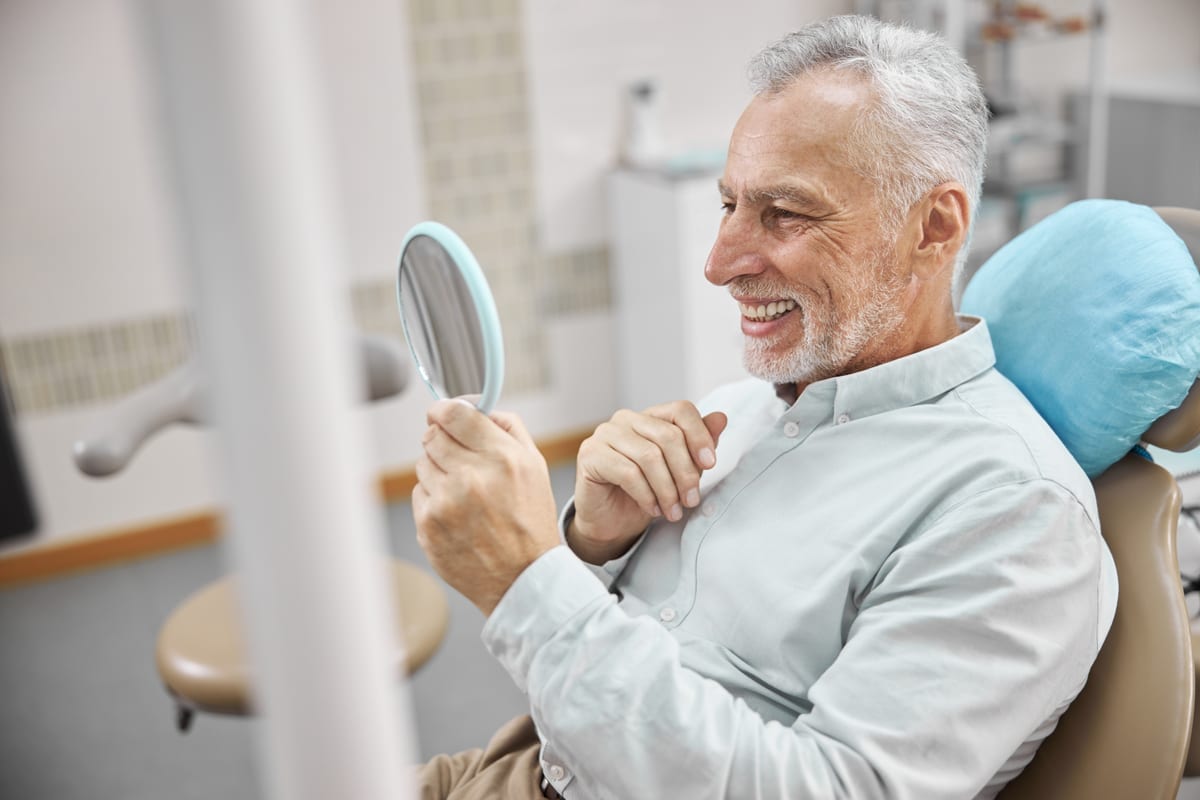


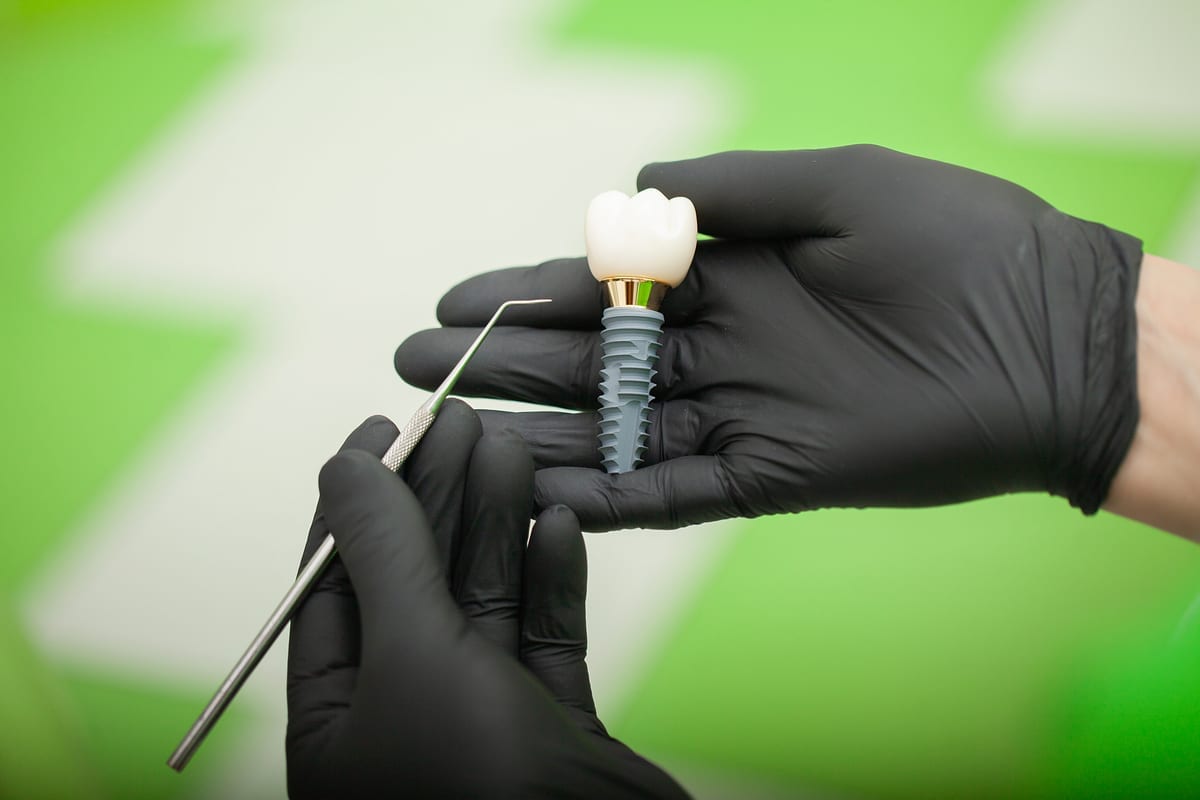
If you’re planning to restore your smile with implants, knowing what to expect during dental implant recovery is just as important as the procedure itself. This week-by-week guide for San Jose patients walks you through every stage of healing. From managing discomfort on day one to enjoying your favorite foods again, Dr. Sami Khayat at Wisdom Oral Surgery & Dental Implants is here to help. Understanding the recovery process helps you feel confident and prepared every step of the way.
Understanding the Dental Implant Recovery Timeline
Recovery from Dental Implant Surgery happens in stages. Each stage builds on the last, and patience is key. Most patients move through the process smoothly when they follow their post-op instructions carefully.
Here is a general overview of what to expect week by week:
- Days 1–3: Swelling and soreness peak during this window. Rest as much as possible and apply ice packs in 20-minute intervals.
- Days 4–7: Discomfort begins to ease. Soft foods remain important, and gentle rinsing with salt water helps keep the site clean.
- Weeks 2–4: Most visible swelling fades. You may feel tenderness but should notice steady improvement.
- Months 2–6: Osseointegration occurs — your implant fuses with the jawbone. This is the foundation of long-term success.
- Month 6 and beyond: Your dentist places the final crown or restoration once healing is confirmed.
Every patient heals at their own pace. Age, overall health, and the number of implants placed can all affect your timeline. Dr. Khayat monitors your healing closely at each follow-up visit in San Jose.
What to Eat During Dental Implant Recovery in San Jose
Your diet plays a major role in how well and how quickly you heal. Eating the wrong foods too soon can disrupt the implant site. Start soft and gradually reintroduce textures as comfort allows.
During the first week, stick to these easy-to-eat options:
- Smoothies and protein shakes (no straws — suction can dislodge clots)
- Mashed potatoes and soft sweet potatoes
- Scrambled eggs and soft-cooked oatmeal
- Yogurt, applesauce, and pudding
- Soft fish like tilapia or salmon
Avoid hard, crunchy, or sticky foods for at least four to six weeks. Stay away from foods like chips, nuts, popcorn, and hard candy. Hot beverages and alcohol can also slow the healing process and should be limited. Staying hydrated with cool water supports recovery significantly.
By week three or four, many patients can introduce soft cooked vegetables, pasta, and tender meats. Always listen to your body and check with Dr. Khayat before expanding your diet.
Managing Pain and Swelling After Your Implant Procedure
Some discomfort after dental implant surgery is completely normal. Your body is healing from a surgical procedure, and mild to moderate soreness is expected. The good news is that most patients find the recovery much more manageable than they anticipated.
Here are practical tips for controlling pain and swelling:
- Take prescribed or over-the-counter pain medication as directed — do not wait for pain to become severe
- Apply ice packs to the outside of your jaw for the first 48 hours
- Keep your head elevated, even when sleeping, to reduce swelling
- Avoid strenuous physical activity for at least five to seven days
- Do not smoke or use tobacco — it significantly impairs healing
Swelling often peaks around day two or three and then gradually subsides. Bruising on the jaw or neck is also normal and will fade on its own. If you experience severe pain, fever, or pus around the implant site, contact Wisdom Oral Surgery & Dental Implants right away. These may be signs of infection that need prompt attention.
Most patients in San Jose return to light work within two to three days. More physically demanding jobs may require a longer rest period. Dr. Khayat will give you personalized guidance based on your specific procedure.
Long-Term Care for Your Dental Implants
Once your implant fully integrates, proper long-term care ensures it lasts for decades. Dental implants are built to be durable, but they still require consistent maintenance. Treating them like natural teeth is the simplest approach.
Follow these habits to protect your investment:
- Brush twice daily using a soft-bristled toothbrush
- Floss daily — use implant-specific floss or a water flosser for best results
- Schedule professional cleanings every six months
- Wear a night guard if you grind your teeth during sleep
- Avoid using your teeth as tools to open packages or bottles
For patients who have chosen Dental Implant Dentures, cleaning protocols are slightly different. Your dental team will show you how to properly care for implant-supported dentures at home. Following their instructions consistently prevents complications and keeps your restoration looking great.
Regular check-ups also allow Dr. Khayat to monitor the health of the bone surrounding your implant. Bone loss around an implant, while uncommon, can develop silently. Routine X-rays catch problems early before they become serious.
When to Call Your Oral Surgeon During Recovery
Knowing when to seek help gives you peace of mind throughout your recovery. Most healing is uneventful, but certain symptoms warrant a call to the office. Catching complications early leads to much better outcomes.
Contact Wisdom Oral Surgery & Dental Implants if you notice any of the following:
- Pain that worsens after the third day instead of improving
- Persistent bleeding that doesn’t stop with gentle pressure
- Fever above 101°F
- Numbness that lasts beyond the first 24 hours
- A bad taste or odor from the surgical site
- The implant or healing cap feels loose
These symptoms do not always indicate a serious problem, but they are worth evaluating. Dr. Khayat and his team in San Jose are available to guide you through any concern that comes up. Never hesitate to reach out — your health and comfort come first.
Start Your Recovery on the Right Foot in San Jose
Recovery from dental implant surgery is a journey, not a single event. With the right preparation and support, most patients move through each stage with confidence. Dr. Sami Khayat and the team at Wisdom Oral Surgery & Dental Implants are committed to making your experience as smooth as possible. Book Now to schedule your appointment with our team.
Frequently Asked Questions
How long does dental implant recovery take in total?
Full osseointegration — where the implant fuses with the jawbone — typically takes three to six months. However, most patients feel comfortable and return to normal routines within one to two weeks after surgery. The final crown or restoration is placed once healing is confirmed, usually at the six-month mark.
Is dental implant recovery painful?
Most patients experience mild to moderate soreness for the first few days. Prescribed pain medication and over-the-counter options manage discomfort effectively. Swelling peaks around day two or three and then gradually improves. The majority of patients find recovery much easier than they expected.
What foods should I avoid after dental implant surgery?
Avoid hard, crunchy, sticky, and chewy foods for at least four to six weeks. This includes chips, nuts, popcorn, raw vegetables, and tough meats. Hot beverages, alcohol, and carbonated drinks should also be limited in the first week. Soft, cool foods are your best choice during early recovery.
Can I brush my teeth after getting a dental implant?
Yes, but carefully. You should brush your other teeth normally while avoiding the surgical site for the first few days. After that, use a very soft toothbrush and gentle pressure around the implant area. Your oral surgeon will give you specific instructions on when to resume full brushing.
What makes dental implants fail and how can I prevent it?
The most common causes of implant failure include infection, smoking, poor oral hygiene, and certain medical conditions. Following your post-operative instructions closely reduces your risk significantly. Attending all follow-up appointments allows your surgeon to catch any early warning signs. Patients who do not smoke and maintain good oral hygiene have very high long-term success rates.