

Dental bone grafting is an important dental procedure that prepares the jawbone for dental implants. In the event of not having sufficient bone to support the implant, you would need bone grafting to rebuild the structure so that your implant is strong and sustainable. In this scenario, bone grafts are often the first step toward restoring a beautiful, functional smile.
Bone grafting is recommended either to replace a missing tooth or to strengthen the jaw in cases of multiple implants. In this process, bone from another part of your body is used as a synthetic material to help grow a new bone. The bone graft not only fills the gap left by a lost tooth but also promotes jawbone healing, creating a solid platform for dental implants. In this blog, you will learn about the entire process, from consultation to dental implant placement, so that you can prepare well for the treatment.
What is Dental Bone Grafting?
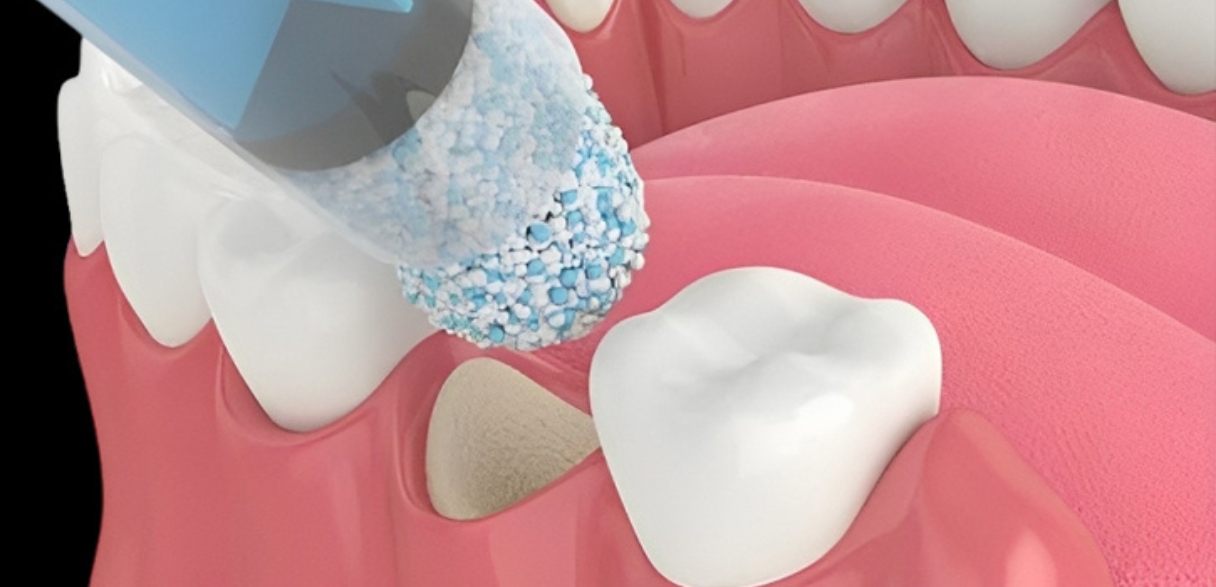
Dental bone grafting involves using bone materials to replace or regenerate bone in areas lost due to tooth extraction, trauma, or disease. The goal is to rebuild the bone structure to provide a solid base for dental implants. Dr. Sami Khayat performs advanced techniques to ensure your bone graft is successful and integrates smoothly with your natural bone over time.
If you need bone grafting in San Jose, California, start the process with a consultation with an oral surgeon. During the consultation, they will assess your oral health and discuss your treatment goals. They will also carefully choose the perfect grafting material for you. This may include your own bone, donor bone, or a synthetic material. Once the graft is surgically placed, the healing process will take over.
Dental Bone Grafting Process
Understanding what happens at each stage of the bone grafting process will make you more confident and knowledgeable about what to expect during your treatment. Here are the key steps in the procedure:
Initial Consultation and Planning
At the consultation, the oral surgeon will take detailed X-rays and, if needed, a CT scan to assess the condition of your bone. This helps determine the amount of bone required and which grafting material will work best for you.
Procedure for Bone Grafting
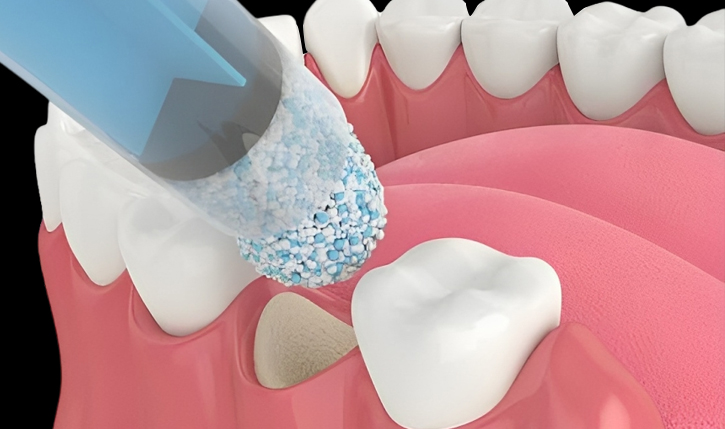
The procedure is usually performed with local anesthesia, which will keep you comfortable throughout. The oral surgeon will make an incision in the gum tissue to gain access to the bone. He will then insert the graft material into the area where the bone has been lost. Sometimes membranes are used to guide the growth of new bone tissue.
Healing Stages and Timeframe
Dental bone graft healing happens in 2 stages. At first, the graft is incorporated into the surrounding tissue. Secondly, over time, the bone will begin to strengthen and merge with the alveolar bone. Generally, bone graft healing takes several months. This is the stage during which bone regeneration occurs, and the bone’s healing determines the success of the graft.
What Happens After Bone Grafting?
Once your bone has healed and assimilated with the surrounding tissue, the next step is placing the dental implant. The titanium implant post will then be placed into the newly formed bone. This is usually done some months after grafting. It fuses to the bone through a process called osseointegration, which means the implant will be stable and secure for years to come.
Stages of Healing after Bone Grafting
The healing after bone grafting can be divided into 2 stages. First, your body starts to lay down new bone around the graft, which, depending on the individual, can take several weeks to several months. The second stage is characterized by the gradual incorporation of the graft into the host’s natural bone, thereby making the area more stable and a good platform for your dental implant. As healing proceeds, the bone becomes more stable and ready to support the dental implant.
Interval Between Bone Graft and Dental Implant
The maximum waiting time between bone grafting and dental implant placement depends on your healing rate and the complexity of the grafting procedure. For most patients, the waiting period between the bone graft and the dental implant is 3 to 6 months. However, sometimes it takes more than a year for bone regeneration to become adequate. Regardless of the situation, the oral surgeon will monitor your progress and overall dental health and advise on the best time to proceed with implant placement.
Get Ready for Your New Smile
A bone graft is a key preparatory step for patients who want to restore their smile with a dental implant. This procedure rebuilds the bone structure of your jaw, enabling the long-lasting, stable placement of an implant that functions just like a tooth.
If you need a bone graft as part of getting dental implants, Dr. Sami Khayat at Wisdom Oral Surgery & Dental Implants can help you through every step of the process. Here, at Wisdom Oral Surgery & Dental Implants, our team carefully plans and executes every step of your treatment, from the initial consultation to the final placement of an implant. Call us today to schedule a consultation and take the first step toward a healthier, more confident smile.
FAQs
1. What is dental bone grafting?
Dental bone grafting is a procedure where bone material is added to areas with bone loss, often due to tooth loss or injury. This creates a stronger foundation for dental implants, ensuring they remain secure and functional over time.
2. How long does it take for the bone graft to heal?
Healing time for a bone graft typically ranges from 3 to 6 months, depending on the individual’s health and the complexity of the graft. During this period, the graft integrates with the natural bone, providing a solid foundation for dental implants.
3. What material is used in a bone graft?
Bone grafts can be made from your own bone, a donor’s bone, or synthetic materials. Your surgeon will choose the material based on factors such as your health, the location of the graft, and the extent of bone loss.
4. How do I know if I need a bone graft?
If you’ve experienced tooth loss or have insufficient bone density to support an implant, your dentist or oral surgeon will recommend a bone graft. They will assess your bone health through X-rays or scans during the consultation.
5. Can bone grafting fail?
Though rare, bone grafting can fail if the graft doesn’t properly fuse with the existing bone. Following aftercare instructions and attending follow-up visits are essential for ensuring the success of the procedure.