


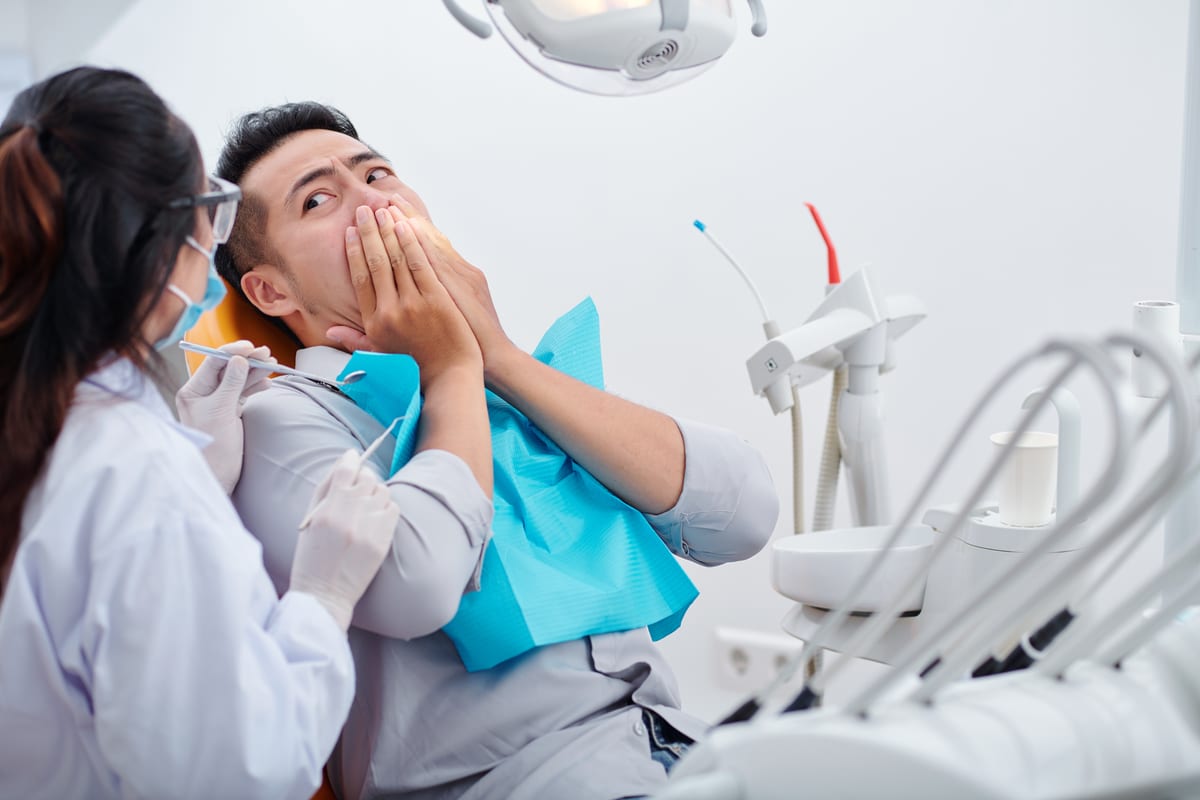
A dental abscess is one of the most painful and dangerous oral health conditions you can face. Many patients in Communications Hill, CA try to wait it out, hoping the pain will pass. It rarely does — and delaying care can turn a manageable infection into a life-threatening emergency. Understanding why a dental abscess demands immediate emergency care is the first step toward protecting your health.
What Is a Dental Abscess and How Does It Form?
A dental abscess is a pocket of pus caused by a bacterial infection. It can develop inside a tooth, in the gum tissue, or in the bone supporting the tooth. The infection usually starts when bacteria enter through a cavity, a cracked tooth, or damaged gum tissue.
Once bacteria reach the inner pulp of your tooth, your body responds with inflammation. Pus builds up and has nowhere to drain. The result is intense, throbbing pain that can radiate to your jaw, ear, and neck.
There are two main types of dental abscesses. A periapical abscess forms at the tip of the tooth root. A periodontal abscess forms in the gums beside the root. Both require prompt professional treatment — neither will heal on its own.
Warning Signs That Signal a Dental Emergency in Communications Hill
Recognizing the symptoms early can make a critical difference. Some signs are obvious, while others are easy to dismiss as minor discomfort. Do not ignore any of the following:
- Severe, persistent toothache that throbs continuously
- Sharp pain when biting down or chewing
- Swelling in your face, cheek, or jaw
- Fever and general feeling of illness
- Swollen, tender lymph nodes under your jaw or in your neck
- A foul taste in your mouth from draining pus
- Difficulty swallowing or breathing
Swelling in the face or neck combined with difficulty breathing is a medical emergency. This can signal that the infection has spread to your airway. Call emergency services immediately if this occurs.
For other abscess symptoms, contact Dr. Sami Khayat at Wisdom Oral Surgery & Dental Implants as soon as possible. Same-day emergency appointments are available for Communications Hill patients in urgent need.
Why a Dental Abscess Is Dangerous to Ignore
A dental abscess will not go away without treatment. The infection does not simply clear up over time. In fact, it almost always gets worse if left untreated.
The bacteria causing the abscess can spread beyond your mouth. They can travel through your bloodstream to your heart, brain, and lungs. This condition, called sepsis, is potentially fatal and requires hospitalization.
Another serious complication is Ludwig’s angina. This is a rapid infection that spreads to the floor of the mouth and the neck. It can compress your airway within hours. Cases like this have resulted in death when patients delayed seeking care.
Even in less severe cases, an untreated abscess can cause permanent bone loss around the tooth. It can also damage neighboring teeth and gum tissue. Early treatment always leads to better outcomes and simpler procedures.
What to Expect During Emergency Dental Treatment
When you arrive at our office with a dental abscess, Dr. Khayat will evaluate the infection immediately. He will take X-rays to determine how far the infection has spread. A treatment plan will be created based on the severity of your condition.
The most common treatments for a dental abscess include:
- Incision and drainage: The abscess is opened to release the pus and relieve pressure
- Root canal therapy: The infected pulp inside the tooth is removed to save the tooth
- Tooth extraction: If the tooth cannot be saved, removal prevents further spread of infection
- Antibiotics: Prescribed to eliminate remaining bacteria and prevent recurrence
After the infection is cleared, Dr. Khayat will discuss your tooth replacement options. If you need to replace an extracted tooth, Dental Implants are the most natural-looking and durable long-term solution. Patients who need to replace multiple teeth may also explore Dental Implant Dentures for a stable, full-arch restoration.
How to Prevent a Dental Abscess From Developing
Prevention is always better than emergency treatment. The good news is that most dental abscesses are preventable with consistent oral care habits. Building these habits now can save you from serious pain and health complications later.
Here are key steps Communications Hill residents can take to reduce their risk:
- Brush your teeth twice daily with fluoride toothpaste
- Floss every day to remove bacteria between teeth
- Visit your dentist regularly for cleanings and check-ups
- Address cavities and cracked teeth promptly before they deepen
- Avoid sugary foods and drinks that feed harmful bacteria
- Wear a mouthguard if you grind your teeth at night
If you experience tooth sensitivity or mild pain, do not wait for it to escalate. Early treatment of a small cavity costs far less — in time, money, and discomfort — than treating a full-blown abscess later.
Serving Communications Hill and the Greater San Jose Area
At Wisdom Oral Surgery & Dental Implants, Dr. Sami Khayat understands that dental emergencies do not follow a schedule. Patients from Communications Hill and surrounding San Jose neighborhoods deserve fast, compassionate care when they need it most. Our team is trained to handle urgent oral health situations with precision and empathy.
Dr. Khayat brings advanced surgical expertise to every emergency case. Whether your situation calls for drainage, extraction, or reconstructive follow-up, you will receive personalized care from start to finish. We treat every patient as an individual — not just a set of symptoms.
Do not wait until the pain becomes unbearable or the swelling spreads. Acting quickly is the single most important thing you can do when a dental abscess is involved. Your overall health depends on it.
If you or a loved one in Communications Hill is experiencing signs of a dental abscess, do not delay. Book Now to schedule your appointment with our team.
Frequently Asked Questions
Can a dental abscess go away on its own without treatment?
No — a dental abscess will not resolve without professional treatment. The infection may temporarily seem to lessen if the abscess ruptures and drains, but the underlying bacterial infection remains. Without treatment, it will return and can spread to surrounding tissue, bone, and even your bloodstream. Always seek care from a dental professional as soon as possible.
How do I know if my toothache is actually an abscess?
An abscessed tooth usually causes severe, persistent throbbing pain rather than mild sensitivity. Other signs include facial swelling, fever, a foul taste in your mouth, and swollen lymph nodes. If you experience any of these symptoms — especially swelling or fever — contact a dental office immediately for evaluation.
Is a dental abscess a dental emergency?
Yes, in most cases a dental abscess is a true dental emergency. Infections can spread rapidly to the jaw, neck, and other areas of the body. Difficulty swallowing or breathing alongside a dental abscess requires a call to emergency services right away. For other abscess symptoms, same-day dental care is strongly recommended.
What happens if a dental abscess spreads?
If left untreated, the bacteria from a dental abscess can spread through the jawbone, into the neck, and throughout the body via the bloodstream. This can lead to serious complications including Ludwig’s angina, sepsis, and in rare cases, death. Prompt treatment dramatically reduces the risk of these life-threatening outcomes.
What are my tooth replacement options after an emergency extraction?
After an emergency tooth extraction, Dr. Sami Khayat will discuss your restoration options once the infection has cleared. Common solutions include dental implants for single-tooth replacement or implant-supported dentures for multiple missing teeth. These options restore both function and appearance, helping you eat, speak, and smile with confidence.