Choosing the right tooth replacement option can feel overwhelming. Understanding the differences between full, partial, and implant-supported dentures helps you make a confident decision. If you are exploring full vs partial vs implant dentures and which one is right for you in Cambrian Park, this guide breaks down each option clearly. Dr. Sami Khayat at Wisdom Oral Surgery & Dental Implants is here to help you navigate your choices.
Understanding Your Denture Options in Cambrian Park
Not all dentures serve the same purpose. Each type addresses a different level of tooth loss. Knowing the basics helps you have a more informed conversation with your dental provider.
There are three main categories to consider:
- Full dentures — replace an entire arch of missing teeth
- Partial dentures — fill gaps when some natural teeth remain
- Implant-supported dentures — anchor to dental implants for added stability
Each option has unique benefits, candidacy requirements, and treatment processes. Your bone health, remaining teeth, and lifestyle all play a role in the decision.
Full Dentures: Who They Suit and How They Work
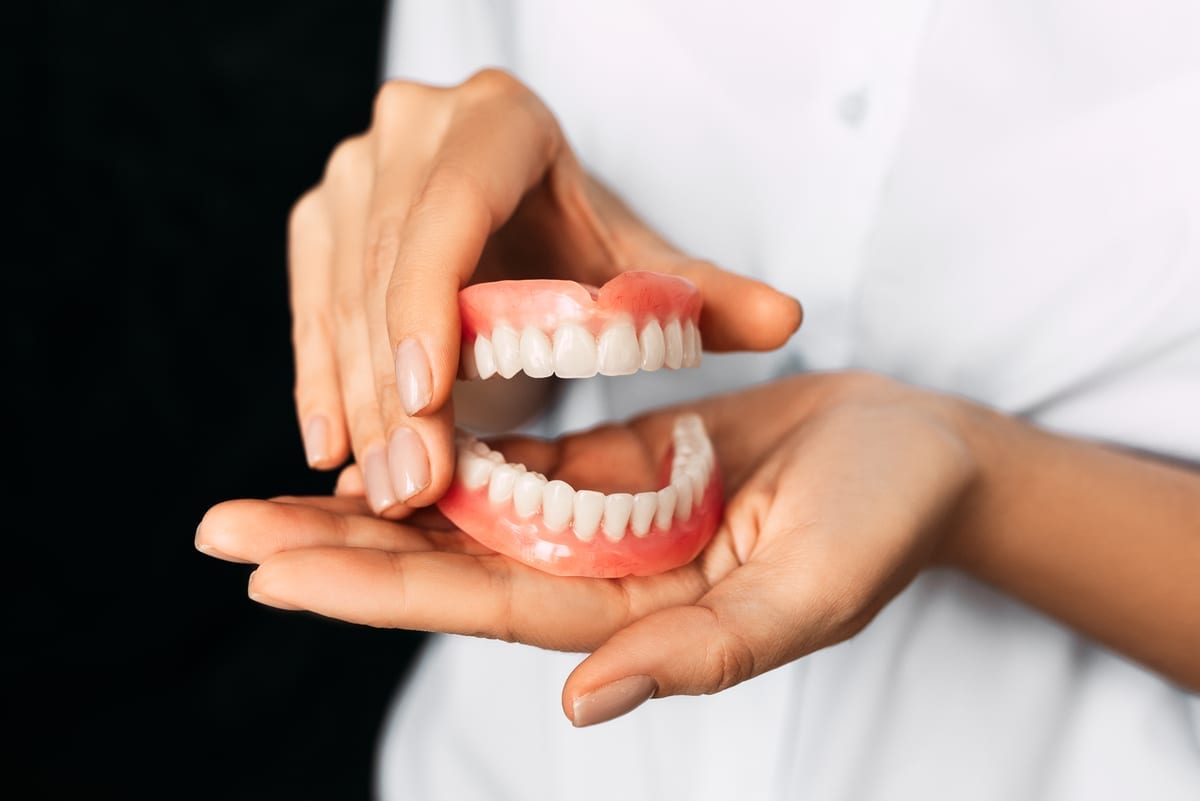
Full dentures are designed for patients who have lost all their teeth in one or both arches. They rest directly on the gum tissue and are removable. Modern full dentures are more natural-looking than ever before.
You may be a good candidate for full dentures if:
- You have lost all teeth on your upper arch, lower arch, or both
- Your remaining teeth are too damaged or decayed to save
- You are looking for a non-surgical, cost-effective solution
- You prefer a removable restoration that is easy to clean
The process typically begins with any necessary extractions. Your gums need time to heal before final dentures are fitted. Temporary dentures may be provided during this healing period.
Once healing is complete, impressions of your gums are taken. Your dentures are custom-crafted to fit your unique mouth shape. Follow-up adjustments ensure proper fit and comfort over time.
Partial Dentures: The Right Choice When Natural Teeth Remain
Partial dentures work best when you still have several healthy natural teeth. They clip onto existing teeth using metal clasps or precision attachments. This creates a stable foundation while replacing only the missing teeth.
Partial dentures offer several practical advantages:
- They preserve the alignment of your remaining natural teeth
- They prevent remaining teeth from shifting into gaps
- They restore chewing function and smile appearance
- They are removable and straightforward to maintain
Getting partial dentures usually involves a few appointments. Your dentist takes impressions and designs a denture that blends with your existing teeth. The fit is checked carefully before finalizing the restoration.
Partial dentures are a practical middle-ground solution. They cost less than implant-based options while still improving function. Patients in Cambrian Park who want a non-surgical path often find them appealing.
Implant-Supported Dentures: Stability and Long-Term Results
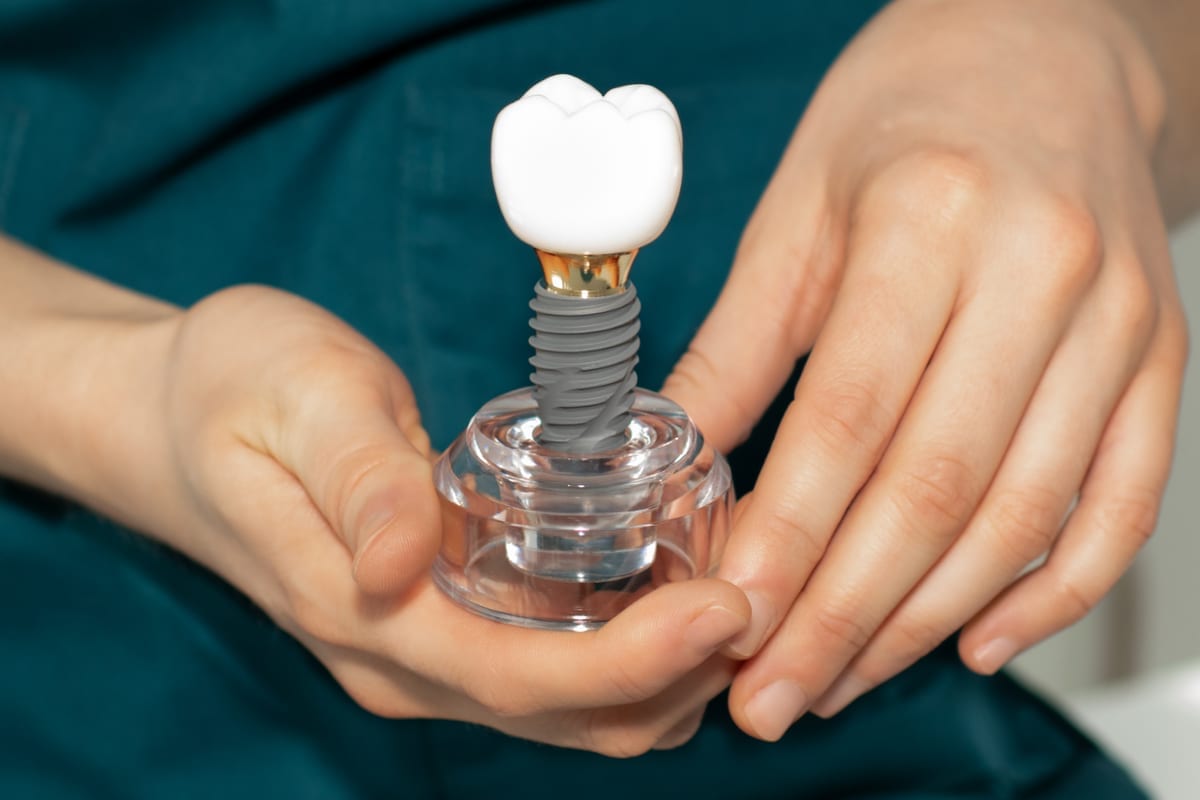
Implant-supported dentures combine the coverage of traditional dentures with the strength of dental implants. Titanium posts are surgically placed into the jawbone. The denture then snaps onto or attaches permanently to these implants.
This option is ideal for patients who want a more secure, long-lasting solution. Implant dentures do not shift or slip while eating or speaking. They also stimulate the jawbone, which helps prevent bone loss over time.
There are two main types of implant dentures:
- Removable implant overdentures — snap onto implants and can be taken out for cleaning
- Fixed implant-supported dentures — permanently secured and only removed by a dental professional
The process for Dental Implants Cambrian Park begins with a thorough evaluation of your jawbone density. Adequate bone volume is needed to support the implant posts. Bone grafting may be recommended if bone loss has occurred.
After implant placement, a healing period of several months follows. During this time, the implants fuse with the jawbone in a process called osseointegration. Once healed, the denture is attached for a comfortable, secure fit.
You can learn more about what the procedure involves by reviewing details on Dental Implant Surgery Cambrian Park. Being informed about the process helps set realistic expectations and reduces anxiety.
Comparing the Three Options Side by Side
Every patient’s situation is different. The right denture type depends on how many teeth are missing, your bone health, your budget, and your lifestyle preferences.
Here is a quick comparison to help clarify your choices:
- Full dentures — best for complete tooth loss, non-surgical, removable, require adhesive
- Partial dentures — best when natural teeth remain, affordable, removable, rely on clasps
- Implant dentures — best for stability and bone preservation, surgical, longer process, most durable
Implant-supported options tend to provide the most natural feel. However, they require a surgical procedure and a longer timeline. Full and partial dentures offer quicker pathways to restored function.
Dr. Sami Khayat will review your oral health, bone density, and personal goals during your consultation. A personalized treatment plan ensures you receive the most appropriate solution for your needs. Patients from Cambrian Park and the greater San Jose area trust our team for honest, patient-centered guidance.
What to Expect During Your Consultation at Wisdom Oral Surgery
Your first appointment is focused entirely on understanding your situation. Dr. Khayat will take X-rays and evaluate your jaw structure and gum health. He will ask about your lifestyle, goals, and any concerns you have.
From there, your options will be explained in plain language. There is no pressure to make a decision on the spot. The goal is to give you clear information so you can choose with confidence.
Many Cambrian Park patients are surprised by how manageable the process is. Modern dentistry has made denture solutions more comfortable and effective than ever. Whether you choose full, partial, or implant-supported dentures, the result is a restored smile and improved quality of life.
Reclaiming your ability to eat, speak, and smile comfortably is life-changing. Our team at Wisdom Oral Surgery & Dental Implants is committed to supporting you every step of the way. Book Now to schedule your appointment with our team.
Frequently Asked Questions
How do I know if I need full or partial dentures?
If you have lost all your teeth in an arch, full dentures are typically recommended. If you still have several healthy natural teeth remaining, partial dentures are usually the better fit. Dr. Khayat will assess your specific situation during a consultation to guide your decision.
Are implant-supported dentures worth the extra steps involved?
For many patients, yes. Implant dentures offer superior stability, prevent bone loss, and feel more like natural teeth. The process takes longer and involves surgery, but the long-term results are often more comfortable and durable than traditional options.
How long do dentures typically last?
Traditional full and partial dentures generally last between five and ten years before they need relining or replacement. Implant-supported dentures can last much longer with proper care. Regular dental check-ups help ensure your dentures continue to fit well over time.
Is the implant surgery painful?
Most patients report minimal discomfort during implant surgery because local anesthesia is used throughout the procedure. Mild soreness in the days following surgery is normal and manageable with prescribed or over-the-counter pain relief. Dr. Khayat prioritizes patient comfort at every stage.
Can I eat normally with dentures?
Yes, though there is an adjustment period for all denture types. Traditional dentures may require some dietary modifications at first. Implant-supported dentures offer the strongest chewing force, making them the closest option to eating with natural teeth.