


Many San Jose patients don’t realize their jawbone is shrinking. It happens quietly — no obvious pain, no dramatic warning. But once a tooth is missing, bone loss begins almost immediately. Understanding why waiting on implants gets costlier in San Jose could save your smile, your bone structure, and your long-term health. Dr. Sami Khayat at Wisdom Oral Surgery & Dental Implants sees this pattern regularly. The longer patients wait, the more complex — and expensive — treatment becomes.
What Happens to Your Jawbone After a Missing Tooth?
Your teeth do more than help you chew. Their roots stimulate the jawbone every time you bite down. That stimulation keeps the bone healthy and dense. When a tooth is lost, that stimulation disappears immediately.
Within the first year of tooth loss, you can lose up to 25% of bone width in that area. Over time, the bone continues to shrink in both width and height. This process is called resorption, and it does not stop on its own.
Once significant bone loss occurs, placing dental implants becomes much harder. You may need bone grafting procedures before implants are even possible. That adds time, cost, and recovery to your overall treatment plan.
Warning Signs You’ve Already Waited Too Long in San Jose
Many people come into our San Jose office unsure whether they need implants yet. The body often sends clear signals that bone loss is already underway. Knowing these signs can help you act before the situation worsens.
Here are common warning signs that you may have waited too long:
- Shifting or drifting teeth — Neighboring teeth begin to lean into the empty space.
- Difficulty chewing — Certain foods become harder or painful to eat.
- A sunken or aged facial appearance — Bone loss collapses facial structure over time.
- Loose-fitting dentures — The ridge the denture rests on has shrunk too much.
- Jaw pain or TMJ discomfort — Bite imbalance puts pressure on the jaw joint.
- Visible gaps widening between teeth — Remaining teeth shift and create new spacing.
If you recognize one or more of these signs, don’t panic. But do act quickly. Prompt evaluation with Dr. Khayat can clarify exactly what stage of bone loss you’re facing.
Why Delays Make Treatment More Complex and More Costly
Timing matters enormously when it comes to implants. A fresh extraction site is often the ideal window for implant placement. The bone is still present and healthy. Healing is more predictable at that stage.
When patients delay for months or years, bone volume decreases significantly. That often means bone grafting must happen first. Grafting adds a healing period of several months before implants can even be placed. The total treatment timeline can stretch from a few months to well over a year.
The financial impact is real as well. Bone grafting adds cost to the overall plan. Addressing shifted teeth may require additional dental work. What could have been a straightforward implant placement becomes a multi-step process.
Patients exploring Dental Implant Dentures San Jose should understand that earlier action almost always means a simpler, more affordable solution. Waiting rarely saves money — it typically costs more in the end.
What Dental Implant Surgery Involves — And Why It’s Worth It
Understanding the process helps reduce anxiety. Dental Implant Surgery San Jose is a well-established, highly successful procedure. Dr. Khayat performs it with precision and patient comfort as a top priority.
Here is a general overview of what the implant process looks like:
- Consultation and imaging — 3D scans assess bone volume and plan placement precisely.
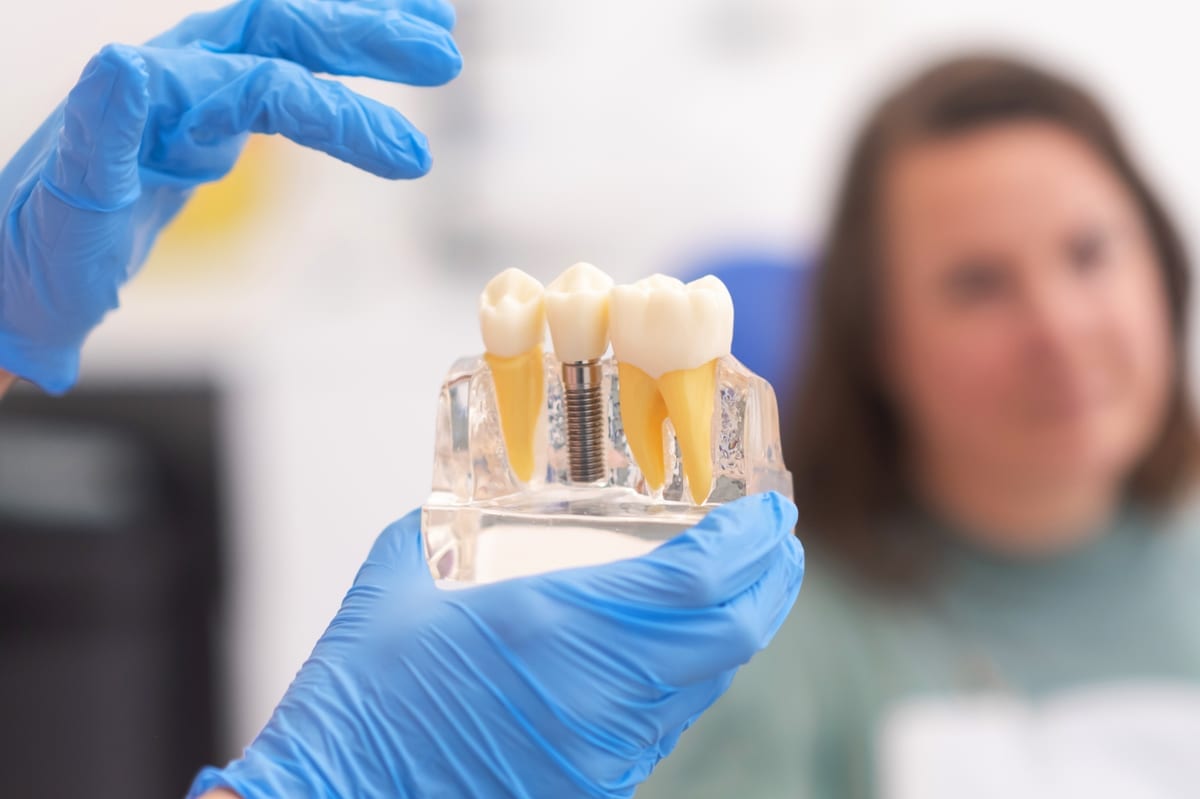
- Implant placement — A small titanium post is placed into the jawbone during a surgical appointment.
- Healing and integration — The implant fuses with bone over several months. This is called osseointegration.
- Abutment placement — A connector piece is attached once the implant is stable.
- Final restoration — A custom crown, bridge, or implant denture is secured on top.
The result is a stable, natural-looking tooth replacement. Unlike dentures alone, implants preserve the jawbone by mimicking natural root stimulation. That preservation is what makes implants such a long-term investment in your health.
When to See Dr. Khayat in San Jose
You don’t need to wait until something hurts to get evaluated. In fact, pain is rarely the first sign of bone loss. A consultation is the only reliable way to know where your bone density stands right now.
Patients dealing with tooth extractions should discuss implant timing immediately after the procedure. Ideally, implant placement is planned before or shortly after a tooth is removed. This reduces the risk of significant bone loss occurring in the gap.
Even if you’ve been missing a tooth for years, don’t assume it’s too late. Dr. Khayat has helped many San Jose patients restore their smiles even after extended bone loss. Advanced grafting techniques and modern implant protocols make treatment possible in situations that weren’t manageable years ago.
The key is not to keep waiting. Each month of delay means additional bone loss. Getting assessed now gives you the clearest picture of your options — and the most affordable path forward.
Conclusion: Don’t Let Bone Loss Decide Your Future Smile
Bone loss is silent, progressive, and preventable when caught in time. Whether you’ve recently lost a tooth or have been living with a gap for years, now is the right time to take action. Dr. Sami Khayat and the team at Wisdom Oral Surgery & Dental Implants are here to guide you through every step with care and expertise. You deserve a solution that protects your health for decades to come. Book Now to schedule your appointment with our team.
Frequently Asked Questions
How quickly does bone loss begin after losing a tooth?
Bone resorption starts almost immediately after tooth loss. Within the first year, patients can lose up to 25% of bone width in the affected area. Early evaluation and timely implant placement significantly reduce this risk.
Can I still get dental implants if I’ve had bone loss for years?
Yes, in many cases you can. Bone grafting procedures can rebuild lost bone volume and prepare the site for implant placement. Dr. Khayat will assess your specific situation with 3D imaging to determine the best approach for you.
What is the difference between dental implants and dentures?
Traditional dentures sit on top of the gum and do not stop bone loss. Dental implants are anchored into the jawbone like natural tooth roots. This stimulation preserves bone and provides a more stable, long-lasting result than dentures alone.
How do I know if my jawbone is shrinking?
Signs include shifting teeth, difficulty chewing, a sunken facial appearance, or ill-fitting dentures. However, the only reliable way to measure bone loss is through a clinical exam and imaging. Dr. Khayat can evaluate your bone health at a consultation.
Is dental implant surgery painful?
Most patients are surprised by how manageable the procedure is. Dr. Khayat uses local anesthesia and sedation options to keep you comfortable throughout. Post-procedure discomfort is typically mild and well-controlled with standard pain management guidelines.