


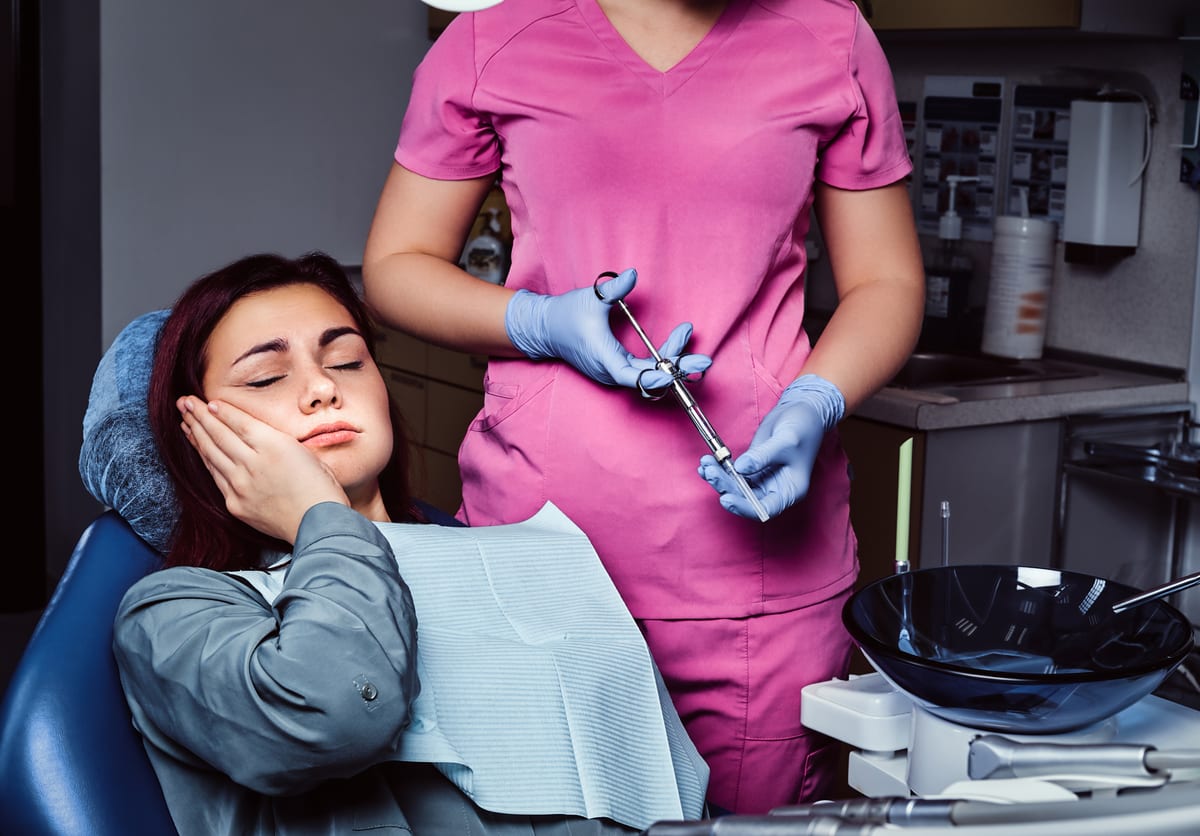
A toothache that won’t quit might feel like a minor annoyance. But for many Campbell residents, that persistent pain is a warning sign of something far more serious. Understanding why your dental abscess could become a medical emergency in Campbell may save your life. Dr. Sami Khayat and the team at Wisdom Oral Surgery & Dental Implants want every patient to know the facts before a manageable condition turns critical.
What Is a Dental Abscess and What Does It Feel Like?
A dental abscess is a pocket of pus caused by a bacterial infection. It can form at the tip of a tooth’s root or in the surrounding gum tissue. The infection usually starts when bacteria enter through a cavity, a crack, or damaged gum tissue.
The symptoms can range from uncomfortable to severe. Most patients describe a sharp, throbbing pain that radiates through the jaw. Some people also notice swelling in the face, cheek, or neck.
Other common signs of a dental abscess include:
- Sensitivity to hot or cold temperatures
- Pain when chewing or biting
- Fever and general feeling of illness
- A foul taste or bad breath that doesn’t go away
- Swollen lymph nodes under the jaw or in the neck
- A pimple-like bump on the gums
These symptoms should never be ignored. Even if the pain suddenly stops, the infection has not gone away. A reduction in pain may actually mean the abscess has ruptured, which can spread bacteria further.
Why a Dental Abscess Could Become a Medical Emergency in Campbell
Many Campbell patients assume a dental abscess will resolve on its own. That assumption can be dangerous. A bacterial infection in the mouth does not stay contained forever. Over time, it spreads — and the consequences can be life-threatening.
One of the most serious complications is called Ludwig’s Angina. This is a rapidly spreading infection that affects the floor of the mouth. It can swell the airway and make breathing extremely difficult. Without immediate treatment, it can be fatal.
Another serious risk is sepsis. Bacteria from the abscess can enter the bloodstream and trigger a full-body inflammatory response. Sepsis is a medical emergency that requires intensive hospital care.
The infection can also spread to the jaw bone, sinuses, or brain. These outcomes are rare but entirely preventable. Seeking prompt dental care is always the right choice when you suspect an abscess.
When You Need Emergency Dental Care Immediately
Knowing when to act quickly can make all the difference. Some symptoms indicate that you need same-day or emergency care. Do not wait for a scheduled appointment if you are experiencing these warning signs.
Seek emergency dental care right away if you notice:
- Significant swelling in your face, neck, or jaw
- Difficulty swallowing or breathing
- A high fever above 101°F
- Swelling that has spread below your chin or toward your throat
- Extreme pain that is no longer responding to over-the-counter medication
If you are struggling to breathe or swallow, call 911 immediately. Those symptoms suggest the infection has already impacted your airway. A dental office visit is not sufficient at that stage — you need emergency medical intervention.
For other urgent symptoms, contact Wisdom Oral Surgery & Dental Implants as soon as possible. Dr. Khayat and his team prioritize emergency cases to get patients the care they need fast.
How Dental Abscesses Are Treated
Treatment for a dental abscess depends on how advanced the infection has become. The goal is always to eliminate the infection and preserve your oral health. Dr. Khayat will evaluate your condition and recommend the best course of action.
Common treatment options include:
- Drainage: The abscess is opened and drained to remove the pus and relieve pressure.
- Root canal therapy: This removes the infected pulp inside the tooth and seals it to prevent re-infection.
- Tooth extraction: When a tooth cannot be saved, removing it stops the spread of infection.
- Antibiotics: These are prescribed to help eliminate the infection, especially when it has begun to spread.
After an extraction, many patients wonder about replacing the missing tooth. Dental Implants are a leading long-term solution for restoring function and appearance. For patients who have lost multiple teeth, Dental Implant Dentures offer a stable, natural-looking alternative to traditional dentures.
Restoring your smile after an emergency extraction is absolutely possible. The priority, however, is always treating the active infection first and ensuring your safety.
How to Protect Yourself from Dental Abscesses
Prevention is always better than emergency treatment. Most dental abscesses develop from untreated cavities or gum disease. Staying ahead of small problems keeps them from becoming dangerous ones.
Here are practical steps every Campbell patient can take to reduce their risk:
- Brush twice daily using fluoride toothpaste
- Floss at least once every day to remove bacteria between teeth
- Schedule regular dental checkups and cleanings
- Address cavities and cracked teeth promptly — don’t delay treatment
- Avoid tobacco products, which increase infection risk
- Drink plenty of water to keep your mouth moist and clean
Regular dental visits allow your provider to catch early signs of infection before they escalate. If you’ve been putting off a checkup, now is the time to prioritize it. Your overall health depends on your oral health more than many people realize.
Why Campbell Patients Trust Dr. Sami Khayat
Dr. Sami Khayat brings specialized expertise in oral surgery and emergency dental care. His practice, Wisdom Oral Surgery & Dental Implants, serves patients throughout San Jose and the surrounding Campbell area. The team is trained to handle urgent situations with both precision and compassion.
Patients dealing with a dental abscess often feel scared and in serious pain. Dr. Khayat’s approach is calm, thorough, and focused on long-term outcomes. The team explains every step of treatment clearly so patients always feel informed.
Whether you need an emergency extraction, infection management, or tooth replacement planning, Wisdom Oral Surgery & Dental Implants offers comprehensive care in one trusted location. You don’t have to face a dental emergency alone.
Don’t Wait Until It’s a Crisis
A dental abscess is not something to sleep on or wait out. The faster you act, the better your outcome will be. Infections that seem manageable today can spiral into life-threatening conditions within hours or days.
If you are in pain, experiencing swelling, or suspect you have an abscess, reach out to Wisdom Oral Surgery & Dental Implants today. Dr. Khayat and his team are ready to help you get relief quickly and safely. Book Now to schedule your appointment with our team.
Frequently Asked Questions
Can a dental abscess go away on its own?
No. A dental abscess will not resolve without professional treatment. Even if the pain stops, the infection remains active. It can continue to spread silently into surrounding tissue, bone, or the bloodstream. Always seek dental care when you suspect an abscess.
Is a dental abscess a dental emergency?
Yes, in most cases it should be treated urgently. A dental abscess that causes facial swelling, fever, or difficulty swallowing is a true emergency. Do not wait for a routine appointment. Contact your dental provider immediately or go to an emergency room if breathing is affected.
How long can you leave a dental abscess untreated?
There is no safe window for leaving an abscess untreated. Infections can spread within days. The longer you wait, the greater the risk of serious complications such as sepsis, bone loss, or airway obstruction. Prompt care is always the safest path.
What happens if an abscess bursts on its own?
If an abscess bursts, you may notice a foul taste and temporary pain relief. However, the infection source remains. Bacteria can continue to spread even after the abscess ruptures. You still need professional dental care to treat the underlying cause.
Can I take antibiotics instead of seeing a dentist for an abscess?
Antibiotics can help control the spread of infection temporarily. But they cannot drain the abscess or remove the source of infection. Antibiotics alone are not a complete treatment. You will still need dental intervention to resolve the problem fully and prevent it from returning.